Continuity of supply
A boiler that stops halts production. Buyers want suppliers who plan to the plant's consumption and hold reserve stock.
Grid power and fuel oil are expensive, so most Kenyan process industries raise steam with wood and agro-waste. This page sets out the fuels we supply, the published market data, and what plant managers ask of a biomass supplier.
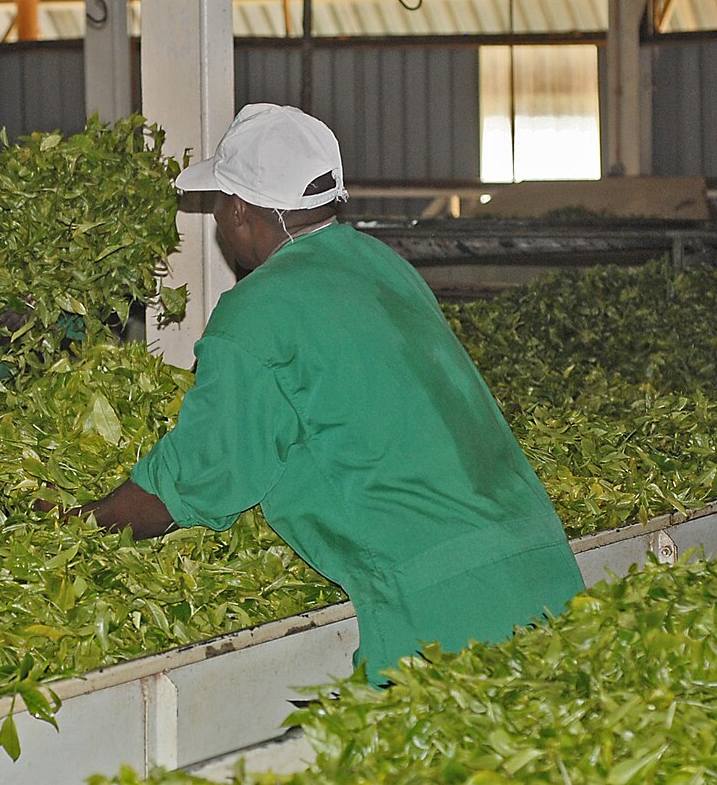
KEFRI estimates that Kenya uses about 18.7 million m³ of firewood a year, against a sustainable supply of about 13.7 million m³. Industrial buyers therefore compete with households for the same wood.
That gap is why manufacturers value suppliers with secure plantation sources and access to agro-residues. These sources do not draw on natural forest, and they keep deliveries steady when wood is scarce.
Plants choose a fuel on heat value, handling, availability and how well it suits their boiler. Here is how the main biomass options used in Kenya compare.
| Fuel | Heat value | Typical sources in Kenya | Best suited to |
|---|---|---|---|
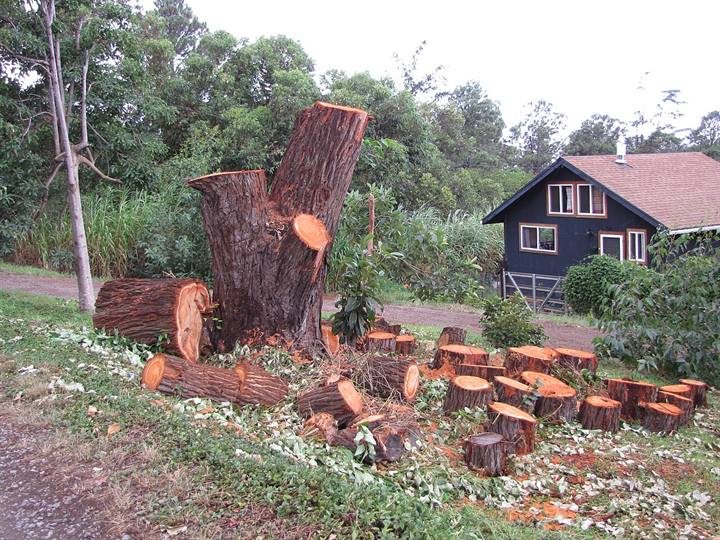
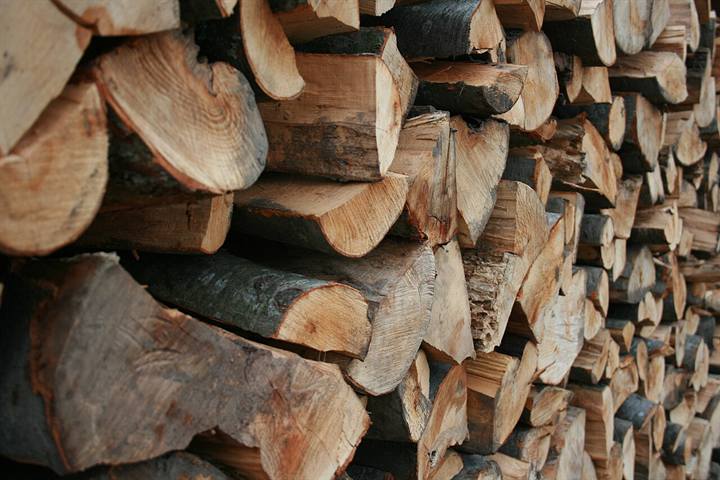
| Eucalyptus firewood | ~18.8 MJ/kg | Farm and commercial plantations, Central and Rift Valley | Grate-fired and fire-tube boilers. The standard fuel for most plants. |
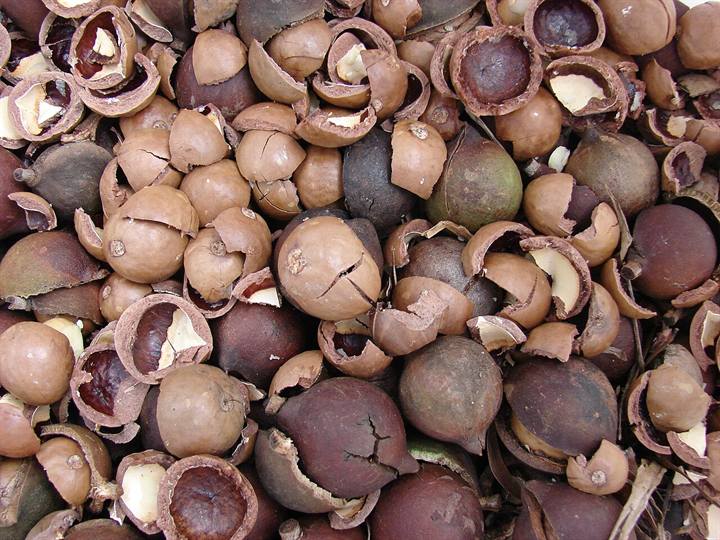
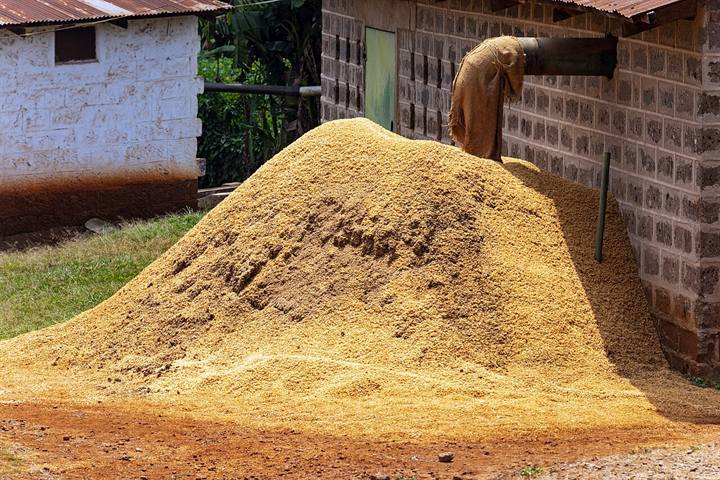
| Macadamia nut shells | ~21.3 MJ/kg | Nut processors, Central and Eastern Kenya | Plants wanting more heat per kg. Co-fires well with wood. |
| Coffee husks | Varies with moisture | Coffee mills and estates | Co-firing, and as feedstock for briquettes. |
| Sugarcane bagasse | Varies with moisture | Sugar mills, Western Kenya | Boilers designed for fibrous fuel. Also used in briquettes. |
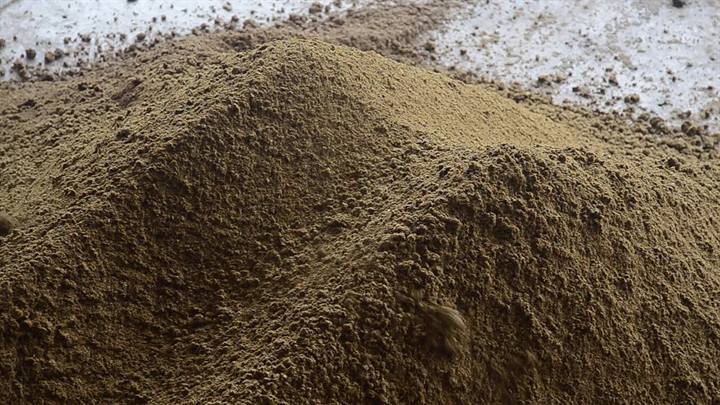
| Sawdust & off-cuts | Varies with moisture | Sawmills and timber yards | Briquetting, and blending to raise fuel density. |
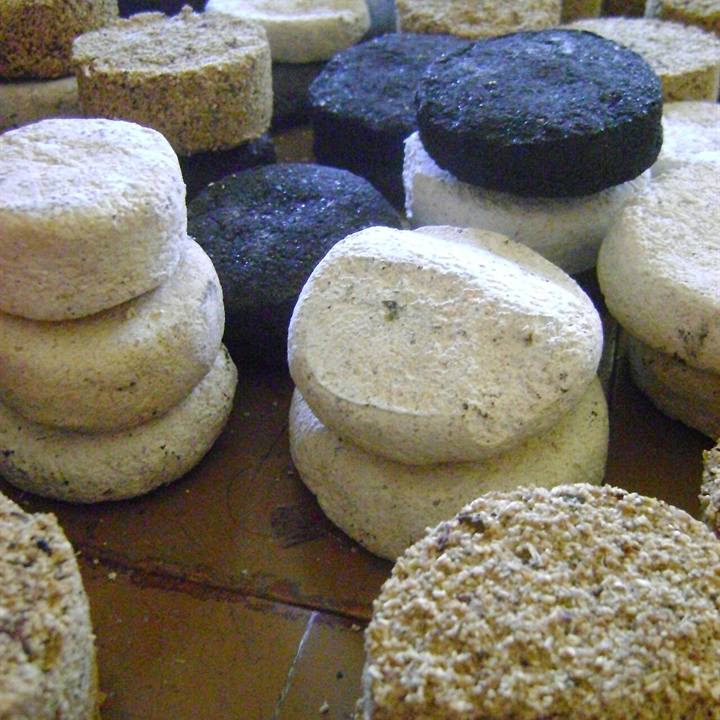
| Biomass briquettes | Lower than firewood (lab) | Made from the residues above | Co-firing with firewood. Typical ratio is 75:25 in older boilers. |
Moisture matters most. Wet fuel lowers heat output, raises transport cost per unit of energy and cuts boiler efficiency.5 Eucalyptus fuelwood has been measured anywhere from 15% to 50% moisture, which is why we season wood before delivery.
Breweries, edible-oil refiners, resin makers, textile mills and packaging plants raise steam for heating, drying and processing around the clock. Their procurement teams ask for the same things.
A boiler that stops halts production. Buyers want suppliers who plan to the plant's consumption and hold reserve stock.
Low and steady moisture with uniform sizing keeps combustion stable. It also cuts the fuel needed per tonne of steam.
Fuel is one of the biggest running costs. One tea factory reports spending over KSh 30 million a year on firewood.6 Stable pricing and value per unit of heat matter.
Wood should come from plantations and carry the right movement permits. Large buyers are audited on where their fuel comes from.
Many plants are moving towards briquettes and residues. Factories now co-fire at 75:25 and plan to go further as they replace boilers.7
Delivery notes, weighbridge tickets and tax-compliant invoices that match the buyer's ERP and audit trail.
We have spent ten years supplying plants with very different boilers. That work taught us to start from the boiler, not from what we have in the yard.
We calculate daily and peak burn and deliver ahead of it.
We season wood to reduce moisture and grade it to suit your firebox.
We draw on plantation wood and agro-residues, so a single shortage does not stop supply.
For plants moving to cleaner fuel, we can supply firewood and residue blends in agreed ratios.