Co-firing and briquettes: what the 75:25 ratio tells us
Factories mix briquettes into their firewood and stop at about a quarter. The reason is in the boiler, not the fuel.
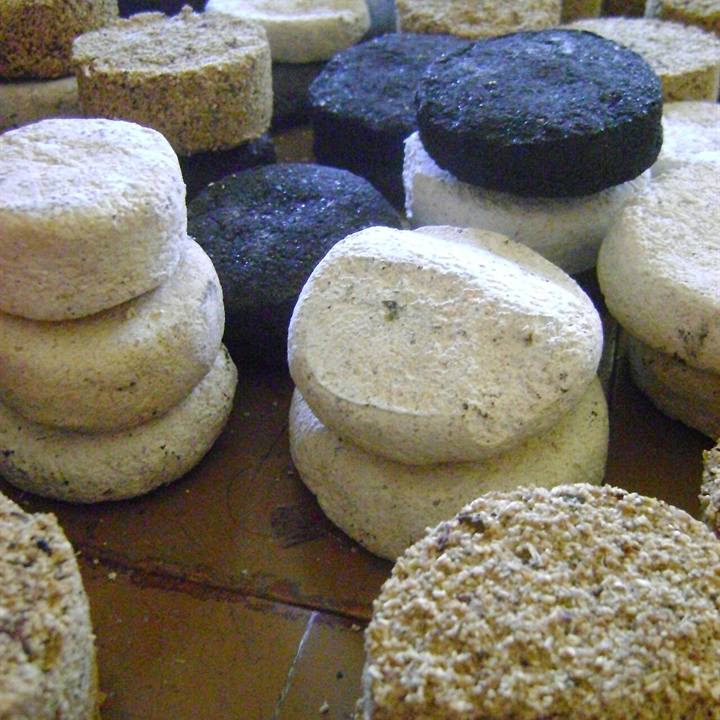
Tea factories in Nyamira co-fire 75% firewood with 25% briquettes by weight. Factory managers say older boilers set that limit, and they plan to move to 100% briquettes once new boilers arrive.
The case for and against
- For: Makomboki tea factory in Murang'a burns briquettes made from macadamia, cashew and rice husks mixed with sawdust, and its manager reports energy costs nearly halved. Briquette makers report savings of 15–30% for clients (self-reported).
- Against: a 2022 study found briquettes technically workable but often uneconomic for tea factories. The barriers were operational problems, cost, and long distances from briquette plants.
How to read it
Briquettes are dense, dry and uniform, so they're easy to feed and store. But they cost more to make, and in lab tests they rank below firewood on heat value. Where a boiler's grate and feed were built for logs, a 25% blend gets most of the handling benefit without upsetting combustion.
For most existing boilers, the winning formula is good seasoned firewood as the base, with residues and briquettes blended in at a ratio the boiler can handle.
- Nyamira tea sector turns new leaf, The Star (2025)
- A greener, cheaper way to dry tea, World Economic Forum / Thomson Reuters Foundation
- Drivers and barriers to briquettes in Kenyan tea, Sustainability (2022)
- How a firm makes briquettes from crop residues, Nation
- Calorific values of Kenyan solid fuels (2023)